Different types of single malt whisky and what makes each unique
The world of single malt Scotch is remarkably diverse. While every expression begins with the same foundations—malted barley, water, and distillation at a single distillery—the results vary endlessly. From the Highlands to Islay, from whiskies aged solely in sherry oak to those shaped by bold cask finishes, there are countless types of single malt whisky to explore. Each carries a sense of place, a story of craft, and a unique character that sets it apart. This spectrum is what makes single malt both timeless and ever surprising.
Exploring the main types of single malt Scotch whisky
Single malt Scotch can be understood in many ways, and its diversity is what makes it so captivating. Some prefer to think in terms of geography, as different regions in Scotland produce distinct styles shaped by landscape and climate. Others look first to production choices: whether a whisky is non-peated, lightly peated, or heavily peated single malt will dramatically affect its character. Ageing also creates variety, with cask finishes—such as sherry oak or port—adding layers of flavour and complexity.
Taken together, these factors demonstrate that “types of single malt whisky” is not a single definition, but rather a broad spectrum of styles that offer endless possibilities to explore.
The role of whisky regions
When it comes to the influence of geography, Scotland’s whisky regions provide a fascinating framework for understanding diversity. The Highlands, its largest whisky-making territory, is renowned for breadth and contrast: from floral, honeyed malts to bold, spicy expressions. Speyside, nestled within the Highlands, is revered for elegance, orchard fruits, and a refined sweetness that has made it the most prolific and globally recognised whisky region.
Moving westward, Islay is the undisputed home of smoky intensity, where peat, brine, and maritime air shape whiskies of remarkable power and complexity. At Laphroaig, it becomes unmistakably our own—medicinal smoke, coastal brine, and the rugged essence of our shoreline. The Lowlands, by contrast, produce lighter, softer single malts, often described as approachable and delicate. Campbeltown, though now home to only a few distilleries, remains celebrated for whiskies with salinity, depth, and a rugged individuality rooted in maritime heritage. Together, these regions show how Scotland’s tradition of single malt whisky can take on strikingly different forms, each reflecting the land and people who shape it.


Style and peat influence
Peat has long been part of Scotch whisky heritage, shaping some of its most distinctive and powerful profiles. While many single malts remain unpeated—highlighting the natural sweetness of malted barley through notes of fruit, flowers, or cereal—others use just a light touch of smoke to add complexity without dominating the spirit.
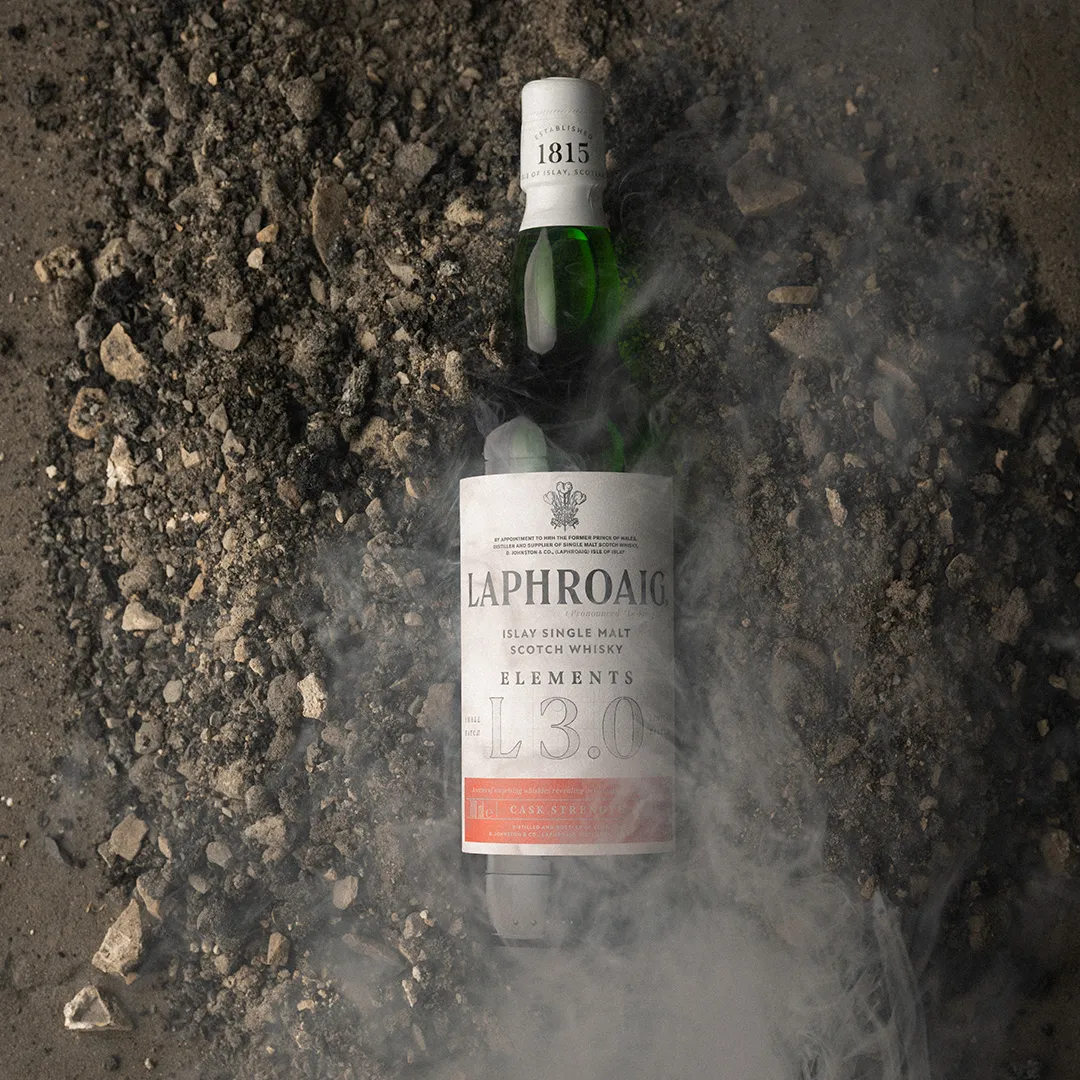
At the opposite end of the spectrum stand the heavily peated whiskies of Islay, defined by their earthy depth, maritime character, and unforgettable intensity. Our own style at Laphroaig is shaped by hand-cut Islay peat rich in heather, lichen, and moss, dried over peat fires as we have done since 1815. This gives the whisky its unmistakable medicinal smokiness, intertwined with coastal brine and seaweed. Every sip reflects not only a style, but also a sense of place—Islay’s rugged landscape and Laphroaig’s unwavering dedication to tradition.
Cask maturation of single malt
Maturation is as influential as distillation in shaping the character of single malt whisky, with the cask playing a decisive role in texture, colour, and flavour over years of rest. American oak (often ex-bourbon) typically imparts vanilla, coconut, and caramel, softening and rounding the spirit. By contrast, sherry oak casks—seasoned with Oloroso or Pedro Ximénez—bring richness and depth, with dried fruits, nuts, and spice that have become a hallmark of many of the most celebrated types of Scotch whisky.
Beyond these classic influences, cask finish whiskies offer a further dimension of creativity. A second maturation in port pipes, rum barrels, or wine barriques can transform the spirit, introducing unexpected accents of fruit, sweetness, and spice. The artistry lies in how distillers match spirit and wood, balancing heritage with innovation to craft single malts that are both rooted in tradition and alive with new possibilities. From there, they often venture into richer, layered territory: for instance, Laphroaig Triple Wood Scotch Whisky marries ex-bourbon maturation with finishings in quarter casks and Oloroso sherry casks. This three-stage process builds layers of spice, dried fruit, and nuts—an elegant yet powerful dram that exemplifies how cask management shapes identity.


Laphroaig encourages responsible drinking. Alcohol should be consumed in moderation. By entering this website, you are agreeing to our Terms and Conditions, Privacy Policy and Use of Cookies.
Must be legal drinking age to enter this site.